着付け教室の情報はここから!
このサイトでは、着付け教室の習い事に興味を持っている人に向けて様々な情報をお伝えしていきます。
浴衣プレゼントの特典がある教室や、その他にも教室によって特徴がありますので、それらを押さえた上でどこに通うかを決めると良いでしょう。
そういった選び方のポイントについて、いくつか例を挙げながら役立つ情報をお届けしたいと思いますので、ぜひ読んでみてください。
着付けを自分で出来るようになると、自信も付き楽しいイベントが増えます。
浴衣プレゼントの着付け教室がお得
 着付け教室といっても様々な教室があり、初心者向けの教室やベテラン向けに応用のアレンジを伝える教室などもあります。
その中でも特に注目してほしいのが、浴衣プレゼントの特典がある着付け教室です。
入会するとプレゼントしてもらえたり、すべての課程を終了するとプレゼントされたりと、渡されるタイミングは教室によりますがせっかく習った着付けの技術を活かす機会を作れるようにと浴衣をくれるのです。
浴衣だと花火大会やお祭りなど夏のイベントに最適で、綺麗に着こなしてお出掛け出来れば周りからも一目置かれることでしょう。
日本文化の良さを理解して凛とした着こなしが出来ると、お出掛けも豊かな楽しみ方をできるようになるはずです。
着付け教室の値段は総合的に判断するのが賢明
 着付け教室の値段はそれぞれの教室によって異なりますが、一般的な相場は1レッスン500円から2000円です。
ただし、気をつけなければいけないのはその料金に何が含まれているかです。
着付けをするためには着物はもちろん、帯や小物などさまざまなアイテムが必要になります。
それらのアイテムを着付け教室が用意してくれるのか、もしくは自分ですべて用意しなければならないかによって、かかる費用が大きく異なってくるからです。
1レッスンの値段が500円でも、用具をすべて自前でそろえなければいけないなら、かなりの出費となってしまいます。
反対に、1レッスン2000円であっても、用具をすべて用意してもらえるなら割安といえるでしょう。
着付け教室に申込む前に、その値段には何が含まれているのか確認しておくことが大切です。
また、ほとんどの着付け教室では入会金が必要となります。
入会金の相場は3000円から6000円ほどとなるため、入会金が無料のところを探すのも一つの手です。
レッスンごとに料金を支払うシステム、一括で先払いするシステムの他、チケット制を取り入れているところもあります。
支払方法も含め、自分に合った着付け教室を探すようにしましょう。
十二単に注目したコースと着付け教室の体験
着付け教室の中には、さまざまなコースを用意してくれるところもあり、初心者向けの気軽に体験できるコースもありますし、上級者向けのコースもあります。資格の取得や仕事で生かせるように学習したい方にとってもしっかりと対応することができます。
着付け教室に関する情報をチェックするときに、十二単など、学びたいことがある場合、そのことに特化して学ぶことができるコースを選択することも可能です。
見学に行くなど、どんな学習の仕方なのかをきちんと理解することによって、安心してレッスンに集中できるようになる方も多いです。
仕事で生かせるように学習したい方の中には、仕事がある中でも空いている時間に集中して学べるようにしたい方もたくさんいます。
集中してレッスンをしていける環境を作っていくためにも、着付け教室の比較しながらレッスンを受けられるようにすることが必要です。
振替授業に対応できる教室もあり、休みとした場合でも、別の日に学習できるようになります。
ZOOMで学べる着付け教室は大変便利です
昨今は感染症の影響で、習い事をしたいと思っても教室が開催されていない、あるいは開催はされているものの生徒の人数制限が厳しいというのが現実です。
一方でZOOMを活用して習える習い事教室も増えています。では、どんな教室があるのでしょうか?いろいろありますが、あらゆる年代から人気を集めているのが着付け教室です。
通常の場合ですと着付け教室に通うとなると電車やバスや自動車などを活用しなければいけません。
また、仕事を持っておられる方や育児に忙しい方ですと、通いたくてもなかなか通えない、という悩みを抱えておられます。
しかし、ZOOMですとわざわざ着付け教室に行かなくてもネット環境が整っているなら自宅にいながら着付けを一から学ぶことが出来ますので大変便利です。
小さなお子さんをお持ちの方でも、周りの方の目を気にすることなく着付けを学べます。ぜひ、上手に活用して楽しく自分の合う教室を見つけて着付けを学んでみましょう。
着付け教室で取得できる資格の難易度はどのくらい?
着付け教室に通ううちに資格を取得したいと思った経験がある人も少なくないでしょう。基本的には教室に通うことで取得でき、1級~3級まである着付講師認定証や着付け技能士、着物免許などさまざまな種類があります。
難易度は大きくいうと初級、中級、上級の3つに分かれています。
まず、初級が1番簡単で着物に関する基本的な知識や技術を理解すれば合格できるでしょう。
初級は自分への着付けをマスターすることが目標です。難易度が1つ上がった中級では自分だけではなく周りの人を着付けできる技術を身に着けます。家族の成人式や結婚式の着付けを任されるレベルです。
そして1番難易度が高い上級は、着付け教室の講師になるために必要な専門的な知識、高度な技術が求められます。また、教室を運営する上で大切なノウハウなども勉強します。
着付けの場合、初級は独学でも資格を取得しやすいため教室に通って取得したければ中級または上級を目指すのが良いです。
着付け教室の必需品でもある長襦袢の着方について
着付け教室に通う時に必要となるものと言えば、着物と帯は勿論ことですが長襦袢も重要なアイテムの一つです。正直見た目からすると衿しか見えるところがないアイテムではあるのですが、きちんと着る事ができていないと上に着る着物がいくら美しく着付けできていたとしても乱れた感じになってだらしなくなってしまいます。
着付け教室でも一から着付けについてレクチャーしてもらうことはできますが、事前に着付け教室に通う前に着付けの仕方をご紹介しましょう。
まず、後ろから両肩に長襦袢をかけて両袖を通します。そして衿先揃えて片手で持ち、もう一方の手を後ろに回して背中心あたりをつかみます。
背中心をゆっくり引き、こぶし一つ分ほどの衣紋(後ろ衿)を抜きます。コーリンベルトを用意して、肩幅よりも少し広めに持って、下前のウェストの位置あたりでベルトを留めましょう。
ベルトを身八つ口から出汁、皺を取りながらコーリンベルトを上前のウエストの位置あたりで留めます。
さらに伊達締めをして、背中心を引き、左右に寄ったシワを伸ばし、胸元のたるみがあれば下に引いて着付けが完了です。
着付け教室を始めるために必要な経歴とは?
着付け教室を始める際に気になるのが「経歴」の必要性です。基本的には必要ありませんが、教室に通う生徒さんたちの立場からすると、「ある程度の資格を持っている人に習いたい」と願う人が多くいることでしょう。
着付けに関する資格はほとんど民間のものであり、具体的にはきもの講師や和装師範、和装教授、着付け講師認定書などがあります。周りからの信頼を得るためにもこうした資格をあらかじめ取得しておくことがおすすめです。
数ある中でも、第三者からの評価を得られるものとしてはきもの免許3級上級師範と一級着物着付け師、きものプロスペシャリスト準一級となっています。
どれも上級資格となるので難易度も高いのが特徴です。また、資格に加えて実績や経験があると着付け教室を始めてから、効率よく生徒さんを集めることができます。
イベントや催しなどで様々な世代の人に着付けをしたり、振袖や訪問着など多種多様な着付けの経験をたくさんしておくことも大切となるでしょう。
外国人が着付け教室に通って和服を着こなす
日本の伝統衣装である和服に憧れる外国人はたくさんいます。
そんな彼らのために短期の着付け教室が人気です。
自分一人でも着られるようになるため、最低限の着方だけを学びます。動画やウエブサイトでも覚えることができますが、やはり自分の目で直接見た方が身につきます。
良い着付け教室は、わかりやすい教え方をしていることです。
あまりにも専門的なことを、最初から細かく教えるなら学ぶ気が失せるかも知れません。
あるいはルールに囚われすぎると着物を楽しむことができません。
時代に合わせた、新しい着こなしを取り入れることが大事です。
海外とは異なり、和服離れが進んでかなりになります。特別なセレモニーの時ですら着用する人たちが減少しています。
美しい文化と伝統を後代に残すためにも、もっと身近な存在にする必要があります。
着付け教室に通うなら気軽に生活に和服を取り入れることができるに違いありません。背筋も歩き方も綺麗になります。
着付け教室にはどのような年齢層が通っているのか
着物をきれいに着こなすためには、着付けの技術が必要になります。
最近では、日常的に着物を着ることはほとんど無くなったこともあり、着付けの手順や帯結びの方法を知らないという人も増えています。
着付けを基本から学ぶのであれば、着付け教室に通うことも考えていきたいところです。
着付け教室では多くの生徒が学んでいますが、実際にはどれぐらいの年齢層が多く通っているのかと気になっている人もいるのではないでしょうか。
着付けというと、年齢の高い人の趣味というイメージもありますが、20代や30代などの若い世代も多く通っています。
自分で着用できるようになって、着物をよりカジュアルに楽しみたいという人もいれば技術を磨いて、写真スタジオやブライダル業界での活躍を目指す人もいます。
さらに、40代~60代などやや年齢の高い層も着付け教室に通うことが多いといわれています。
特別なイベントで着用することを備えて学んでいるケースもあれば、趣味や文化活動のために学ぶ人もいます。
マナーや楽に着こなせる方法を学べる着付け教室
着物を着こなすのが難しいと感じる方は多いですが、上手に着こなす技があり、着付け教室で学べます。
簡単に着ることができるテクニックを学べば、気軽に着物を着られるようになり、着物を着て出かける楽しみが増えます。
着付け教室に通う事によって、着崩れしないように注意しながら着こなしていく事ができるようになります。
基本を忠実に抑えて学ぶことができるだけではなく、着崩れしにくい技術を学ぶこともできます。
また、長時間き続けていると疲れを感じる方も多いため、楽に着こなせる方法を学ぶ事も大切です。
着物は決して敷居が高い物ではないため、正しい方法で着る事が楽な姿勢でいられます。
和装を楽しむ事で、共通の趣味を持つ友人との出会いが増えて、楽しい時間を過ごせるメリットがあります。
着物を着るうえで大切な作法などのマナーを学ぶ事もできます。
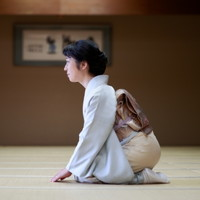
お茶を楽しみたい時など、和装を楽しみながら正しい作法で、立ち姿や座った姿でいられるように基礎を学びます。
着付け教室に通うことで観劇のイベントも楽しめる
着付け教室に通うメリットはさまざまにありますが、特に大手の着付け教室では着物を着て出かける歌舞伎観劇・美術鑑賞などのイベントが開催されているので、これだけでも着物を着る機会を増やすことができます。
着付け教室で学んだ技術や知識を自分のものにするためには、教室での授業だけでは限界があるので、実際に着物を身につけて出かけたりするなどの機会を増やすことが重要になってきます。
授業で取得した技術や知識を披露する場として月に1〜2回のイベントを開催している教室では、演劇鑑賞・歌舞伎観劇・美術鑑賞などの季節に合わせたイベントに参加できる形となっているので、着物で出かけることに慣れていない方でも同じ教室の生徒と一緒になって楽しむことができます。
また、このようなイベントに参加することで、自然と和装時のマナーや身のこなし方を身につけることができるので、着付け教室を選ぶ際にはこういったイベントを開催している教室を選ぶ方がベターな選択といえます。
着付け教室に入会する際に入学金は必要なのか
着物を自由に楽しむなら、やはり着付けや帯結びは自分でできたほうが良いといえます。
最近は着物を着る機会がかなり少なくなったこともあり、着付けの技術や知識を持つ人も減っています。
基本からしっかりと学ぶのであれば、着付け教室に通うことも考えていきたいところです。
着付け教室に通う場合はレッスン料や授業料も発生することになりますが、入会の際に初期費用が発生するケースもあります。
教室によっては授業料やレッスン料金のほかに入学金や入会金が必要になることもあるので、こちらも確認しておきましょう。
どの程度の入会金が発生するのかも気になるところですが、一般的には数千円から一万円程度といわれています。
別途支払うこともあれば、授業料に含まれていることもあります。
選ぶ教室によっては、入学金の無料キャンペーンが行われていることもあるので、少しでも費用を抑えるのであればキャンペーンも活用してみましょう。
体験会当日の入学で無料になるなど、キャンペーンの内容は教室ごとに違いますので、こちらもよく確認しておきたいところです。
もっと着付け教室の情報を探すなら
◎2023/11/1
情報を更新しました。
>外国人が着付け教室に通って和服を着こなす
>着付け教室にはどのような年齢層が通っているのか
>マナーや楽に着こなせる方法を学べる着付け教室
>着付け教室に通うことで観劇のイベントも楽しめる
>着付け教室に入会する際に入学金は必要なのか
◎2022/3/2
情報を更新しました。
>十二単に注目したコースと着付け教室の体験
>ZOOMで学べる着付け教室は大変便利です
>着付け教室で取得できる資格の難易度はどのくらい?
>着付け教室の必需品でもある長襦袢の着方について
>着付け教室を始めるために必要な経歴とは?
◎2021/6/10
どんなレッスンが行われるのか
の情報を更新しました。
◎2021/1/27
指導スタイルや教わる内容とは
の情報を更新しました。
◎2020/10/27
着物を買わされるって本当?
の情報を更新しました。
◎2020/9/14
着付け教室の人気ランキング
の情報を更新しました。
◎2020/08/12
サイト公開しました
に関連するツイート